TiltonSells
Buy · Sell · Manage
Solar homes · Track record

Solar homes I have actually closed.

Anyone can put the word solar on a website. Here is the record: real Central Florida homes with solar panels on the roof that I sold or helped a buyer acquire, with the financing structure spelled out and the result in dollars.

Most solar sellers lose $20,000 or more at closing because their agent does not know how to handle the loan, the lease or the UCC filing. My clients kept that money. Here is how.

150+
Career transactions
$50M+
Closed volume
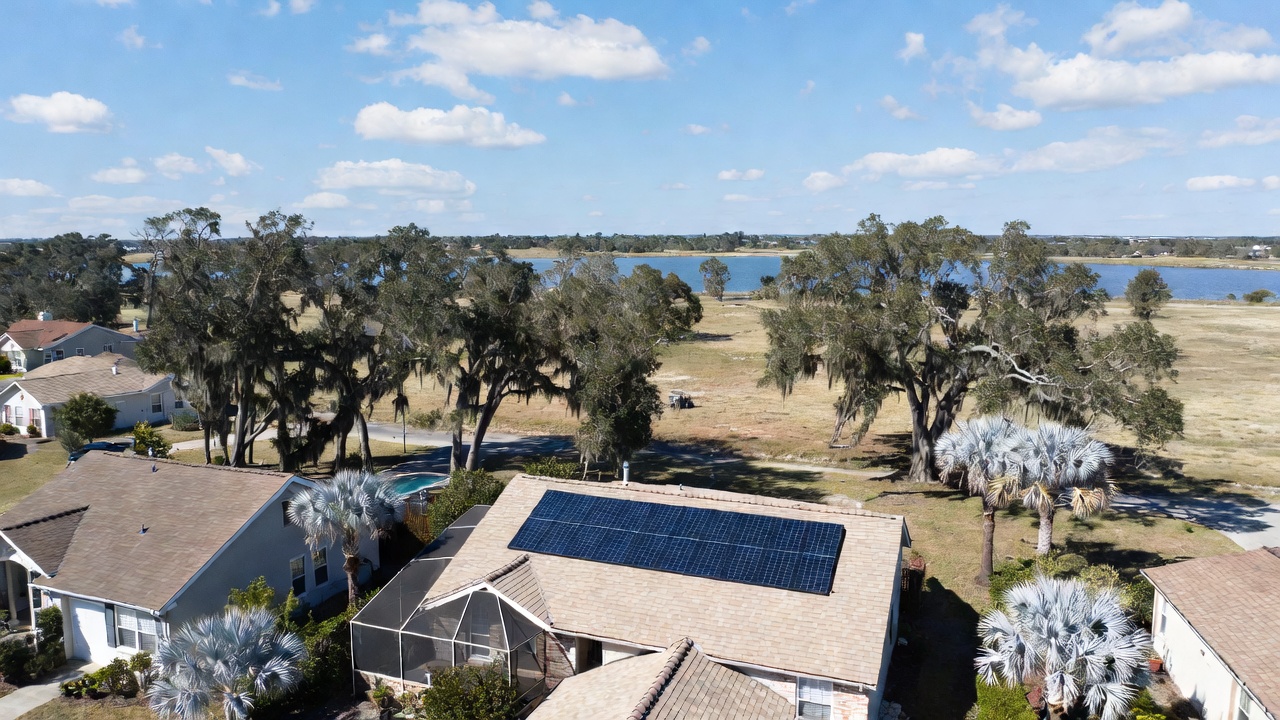
AI illustration of a Central Florida lakefront home with a rooftop solar array and screened pool

Central Florida solar home · Illustration created with AI

Three closings, three structures

Same problem, different answer each time.

A solar loan is not one problem with one fix. Whether the buyer can assume it, whether the seller can carry it, and what the lender's rules allow decide the structure. These three deals show the range.

932 White Oak Way in Minneola, Florida, a solar home sold by Stephen Tilton in 2020 with the solar loan assumed by the buyer
Case 1 · Seller side

The Watson sale: the buyer took over the solar note.

932 White Oak Way, Minneola · Sold May 2020 · Solar loan assumed by buyer

John Watson was selling his four bedroom home in Highland Oaks with a solar loan still owed on the system. The standard advice is to pay that loan off out of the seller's proceeds at closing, which comes straight out of the seller's check.

Instead, I marketed the home to buyers who could qualify, and we got the buyer approved by the solar lender to take over the original loan. The panels stayed on the roof, the payments transferred to the new owner, and John never wrote a payoff check. The home sold in 12 days for $270,000, two percent over the list price, to a VA buyer.

Result
Over $20,000 saved for John Watson compared with paying the loan off at closing.
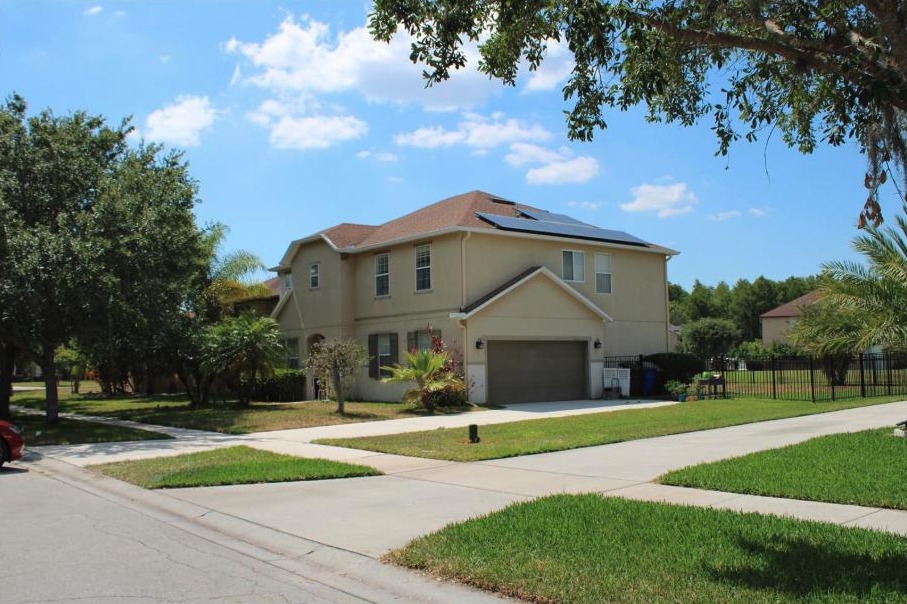
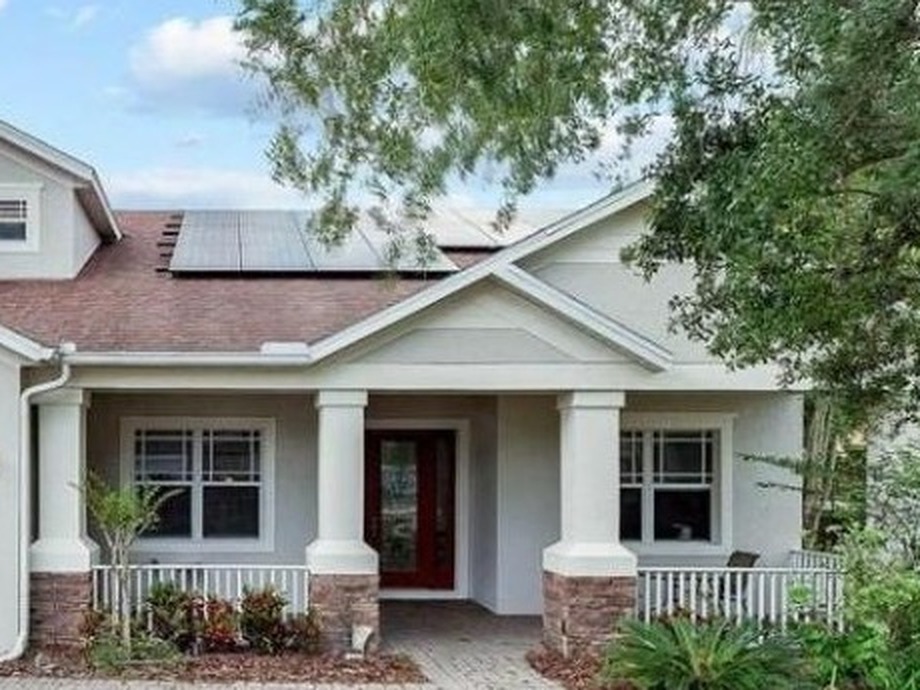
Front exterior of 3851 Cedar Hammock Trail in St. Cloud, Florida, a solar home sold by Stephen Tilton in 2021 with a seller carried note on the panels
Case 2 · Seller side

The Hernandez sale: a new note with the seller as the lender.

3851 Cedar Hammock Trail, St. Cloud · Sold July 2021 · Seller carried note

Justin Hernandez sold his five bedroom home in Stevens Plantation with solar panels on the roof, and this time the buyer could not assume the existing note. A payoff at closing would have taken a large piece of Justin's equity.

So we closed the sale and issued a new note on the solar system with Justin as the lender, secured by a UCC filing recorded in Osceola County. The buyer made the payments to Justin, then paid the note off in full. Justin kept his equity and collected interest on money he would otherwise have handed to the solar lender on closing day. The home sold for $380,000, nine percent over the list price, to a VA buyer.

Result
Over $25,000 saved for Justin Hernandez compared with a payoff at closing.
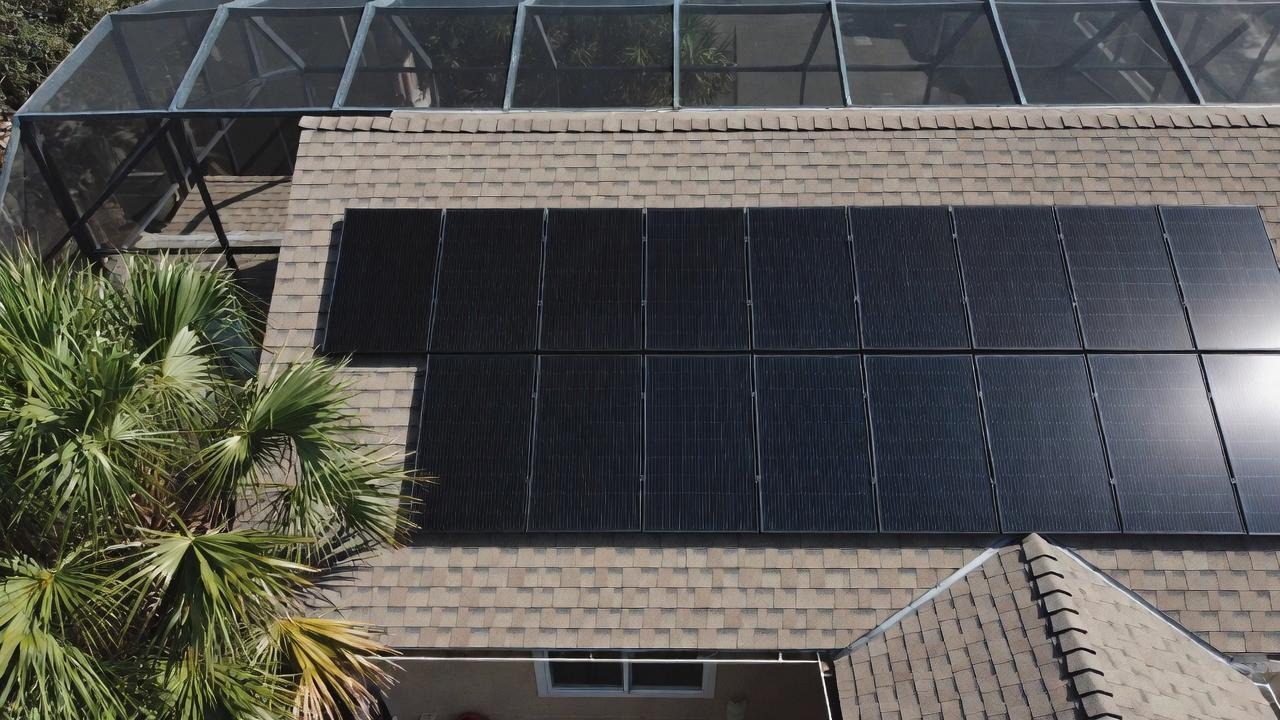
AI illustration: close up of a rooftop solar array on a Florida home with a pool enclosure and palm tree
AI illustration
Case 3 · Buyer side

The Houseman purchase: buying a solar home without inheriting a problem.

Apopka · Closed December 2020 · Buyer representation

Jim Houseman came to me as a buyer, and the home he wanted in Apopka had solar panels on the roof under an existing solar agreement. On the buy side the risks run the other direction: a UCC filing that clouds title, a solar payment the mortgage lender counts against you, or an appraisal that gives you no credit for a system you are about to take on.

We pulled the solar documents from the seller before the inspection period ended, filed the solar company's third party transfer application weeks ahead of closing, and kept the conventional lender informed so nothing surprised underwriting. Jim closed on schedule with the solar transferred into his name.

Result
Jim acquired the solar home he wanted, with no surprises at the closing table.

Client names used with permission. The Minneola and St. Cloud photos are the clients' homes from the original listings. A photo marked AI illustration was created with an image model to show a typical Central Florida solar home and is not a client's home. Dollar figures are the difference between the structure used and a payoff of the solar balance from seller proceeds at closing, based on the loan balance at the time of sale. Results depend on the lender, the buyer and the home; past results do not guarantee a future outcome.

The method

How I handle solar on every deal.

The same five steps whether I represent the seller or the buyer. The order matters: the structure is settled before the home is listed or the offer is written, never at the closing table.

  1. 01

    Identify the structure first.

    Owned, loan, lease or power purchase agreement. Each one sells differently, and I do not list a home or write an offer until I know which it is.

  2. 02

    Pull the UCC filing.

    A fixture filing in the county official records or a filing in the Florida Secured Transaction Registry has to be found and released, assumed or transferred, or it stops the closing.

  3. 03

    Match the structure to the buyer.

    Loan assumptions, seller carried notes, lease transfers and payoffs each fit a different buyer and a different mortgage lender. The wrong match costs the seller money or costs the buyer the house.

  4. 04

    Protect the appraisal.

    Financed and leased systems are usually excluded from appraised value under Fannie Mae and VA rules. Knowing that ahead of time keeps the deal from falling apart at the appraisal.

  5. 05

    Put it in writing.

    The solar terms go in the contract and in the MLS remarks so nobody renegotiates at the closing table.

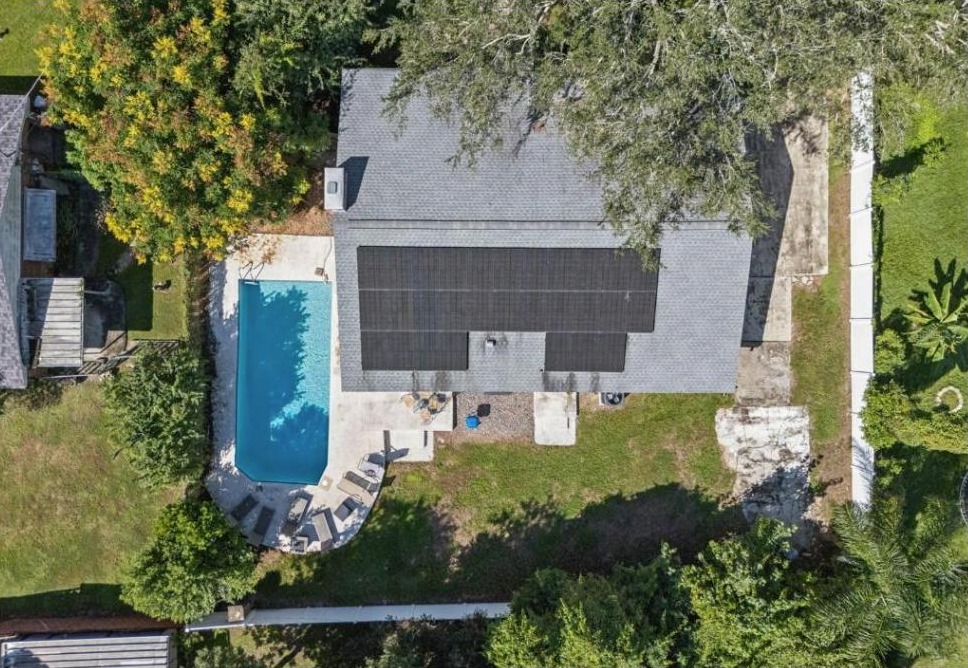
Straight down drone view of a full rooftop solar array beside a pool in Seffner, Florida
On the market now

A full array on a 2022 roof in Seffner, with the solar structured before the first showing. That is what every solar listing I take looks like on day one.

Asked about these deals

Questions solar sellers and buyers ask me.

Can a buyer assume my solar loan when I sell my house in Florida?+

Often yes, if the solar lender allows assumptions and the buyer qualifies. In the Watson sale, the buyer was approved by the solar lender to take over the original note, the panels stayed with the house, and the seller avoided a payoff that would have cost him more than $20,000 at closing. The lender's rules, the buyer's credit and the buyer's mortgage lender all have to line up, so this is confirmed before the home is listed, not after an offer comes in.

What if the buyer cannot assume the solar loan?+

One option is for the seller to carry a note on the solar system. In the Hernandez sale, the buyer could not assume the existing note, so a new note was issued with the seller as the lender. The buyer made the payments to the seller and then paid the note off in full. That structure saved the seller more than $25,000 compared with paying off the solar loan at closing.

What is a UCC filing on solar panels and why does it matter at closing?+

A UCC filing is the solar lender's public notice that it has a security interest in the panels. In Florida it can be a fixture filing recorded in the county official records or a filing in the Florida Secured Transaction Registry. Title companies treat it as a lien that must be released or formally transferred before closing. Finding it early and planning the release or assumption is what keeps a solar home sale from stalling in the last week.

Does Stephen Tilton help buyers purchase homes with solar panels, or only sellers?+

Both. On the buyer side the work is checking the solar agreement and any UCC filing before contract, confirming how the system transfers, and making sure the buyer's lender and appraiser treat the panels correctly. Jim Houseman is a buyer client who acquired a Central Florida home with solar panels with that process in place.

Start here

Talk to me before you sign anything.

If you own a solar home in Central Florida and you are thinking about selling, or you are a buyer looking at one, the first conversation is free. It is usually where the $20,000 gets saved.

Stephen Tilton, REALTOR®, Tilton Sells, Central Florida
Stephen Tilton, REALTOR®
FLA Real Estate Services · 407-955-2759

Request your strategy call

No obligation. No pressure. Just answers.

Stephen Tilton · FLA Real Estate Services · Lic. SL3349145

By submitting you agree to be contacted by Tilton Sells. We never share your info. Privacy